
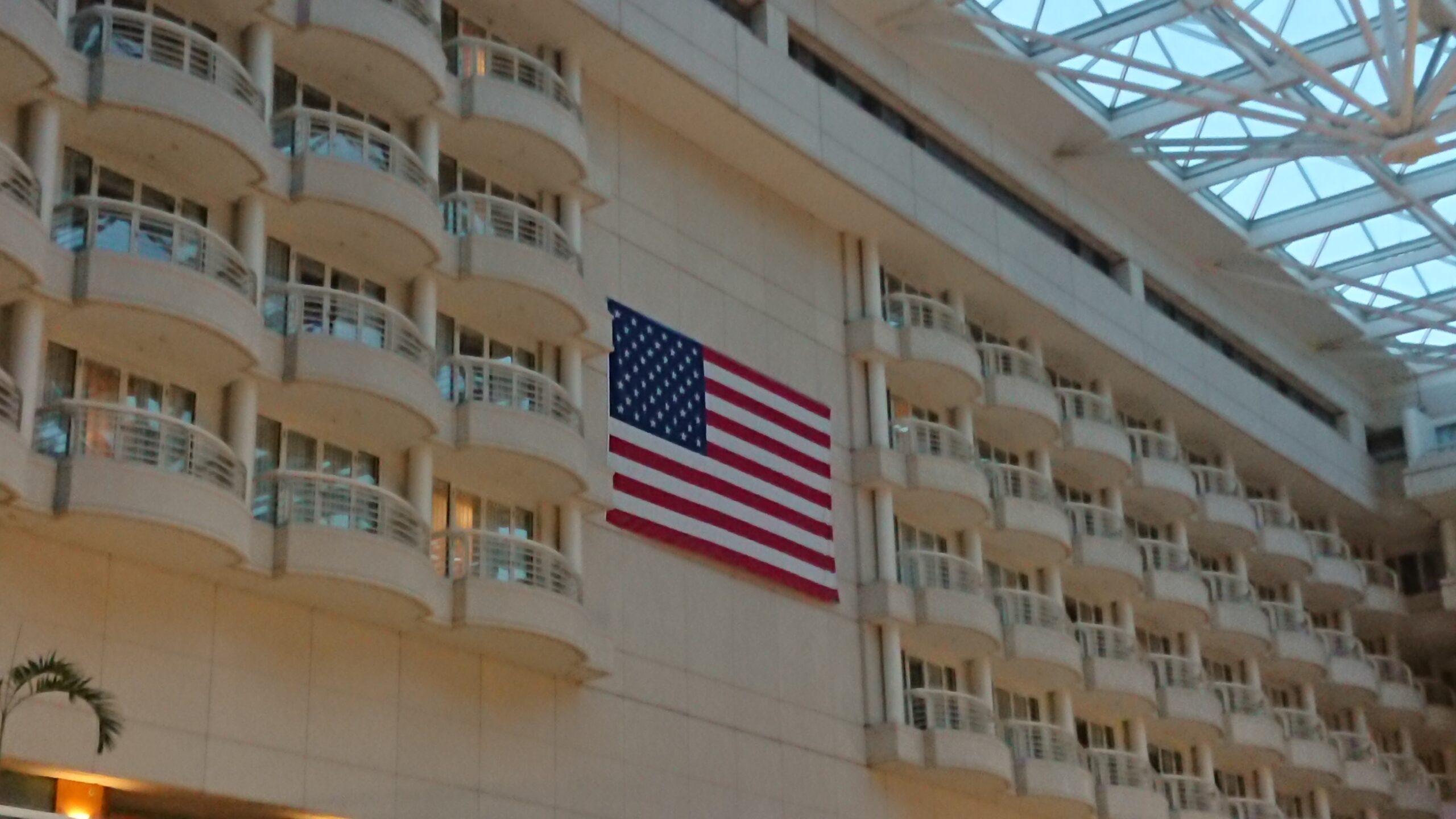
The Arrival Hall Experience
Your plane lands and the flight crew opens the cabin doors. You follow the signs for arrivals or baggage claim through the airport halls. The walk to the immigration hall is often quite long for most travelers. Some airports have halls that span 1,000 feet (305 meters) from the gate to the customs desks. You will see separate lines for American citizens and lines for visitors. Use the restroom before you join the queue. The wait time can vary from ten minutes to two hours depending on the hour you arrive.
You will see officers in dark blue uniforms watching the crowd. These people work for Customs and Border Protection to keep the country safe. They manage the flow of people and check everyone who enters the country. Stay calm and put your mobile phone in your pocket or bag. Most airports prohibit cameras or phones in this particular area of the building. You can look at the posters on the wall or talk quietly with your travel partners. The line moves slowly but you will eventually reach the front.
ESTA versus the Traditional Visa
The Electronic System for Travel Authorization is for people from specific countries. You must check your home country on the list of 41 partners. Is my home country on this list? You can find the full list of 41 partner countries on the official government website. This authorization is not a visa but it is a pre-screening tool. It allows you to stay for up to 90 days for fun or work. You apply on a government website and pay a fee of 21 dollars. Complete this step before you go to the airport for your flight.
Some people need a traditional visa instead of a simple electronic authorization. This includes travelers from countries that do not participate in the waiver program. You must visit a United States embassy or consulate in your home city for an interview. This process takes more time and costs more money than an online form. The fee for a standard tourist visa is 185 dollars for most people. You will have an interview with a consular officer months before your trip starts. This visa often lasts for ten years for many international travelers.
Papers and Proof for the Officer
You need to have your passport ready for inspection at the desk. It should be valid for at least six months after your planned departure date. The officer will look for your flight details to see when you plan to leave. They want to know that you do not intend to stay in the country forever. You should have a few details ready: your hotel name, the street address, and the city. These facts help the officer confirm your plans for the duration of your stay.
It is smart to have a paper copy of your travel insurance and bank statements. Digital systems sometimes fail or your phone battery might die at the wrong time. The officer might ask how you will pay for your meals and local transport. You can show them a credit card or a recent statement from your bank. They want to see that you have enough funds for your two-week or one-month stay. This proof makes the entry process much easier for everyone who arrives at the gate.
The Interview with the CBP Officer
You will step forward to the desk when the officer calls your name. They will take your photo with a small camera attached to the desk. You will then place your fingers on a glass scanner for digital fingerprints. The officer will ask several simple questions about your visit and your plans. Why are you visiting the United States today? I am here for a vacation to see the Grand Canyon and Las Vegas. You should answer clearly and tell the truth about your particular plans.
The officer may ask about your job in your home country. They do this to see if you have a strong reason to return home. Tell them the name of your company and what you do there. Do not make jokes during this interview with the federal officer. The officers take their jobs seriously and jokes can cause long delays for you. Most interviews last less than three minutes when you have your papers ready. They will then stamp your passport or send you through to the bags.
Rules for Food and Other Items
You must declare everything you are bringing into the country on your form. Some items are strictly forbidden to protect American farms from foreign pests. You cannot bring fresh fruit like apples or oranges from your home city. Meats and some cheeses are on the banned list for all travelers. Throw away any sandwich from the plane before you reach the desk. Bringing a single piece of fruit can lead to a fine of 300 dollars or more.
You can bring factory-packaged snacks like crackers or milk chocolate. Alcohol is allowed but there are strict limits on the total amount. You can bring one liter (33.8 ounces) of alcohol without paying extra taxes to the government. Tell the officer when you bring more than 10,000 dollars in cash or other currency. This rule applies to any money that adds up to that total value. Be honest on the customs form that you fill out on the plane or at a kiosk.
Global Entry and Modern Technology
Frequent travelers often use a program called Global Entry for faster service. This program requires a background check and an interview before you travel. It costs 100 dollars for five years of membership for those who qualify. Members do not wait in the main line at most major airports. They go to a special kiosk and scan their face for identification. The machine prints a receipt and they can walk straight to the baggage claim area. This saves a lot of time after a very long flight.
Some airports now use Mobile Passport Control as a free alternative for visitors. You download an app and enter your details when the plane lands. This app allows you to join a shorter line in many busy American cities. You still talk to an officer but the process is much faster. Not every airport has these machines or special lines for the app. Check the website for your arrival airport to see what tools they offer. These options help reduce the stress of the long wait in the hall.
Collecting Bags and the Final Gate
You will head to the baggage carousels after you pass the immigration desk. Check the digital screens to find the number for your specific flight. Your bags might take some time to arrive after the plane lands. Some luggage belts are 200 feet (61 meters) long to hold all the suitcases. Once you have your bags, you walk toward the green or red exit signs. There is often one final checkpoint where an officer takes your customs form or receipt.
The officer at the final gate might ask you one or two more questions. They may choose to scan your bags in an X-ray machine for safety. This is a normal part of the process and happens to many people every day. Once you pass this point, you are officially in the United States. You will see the arrival hall where people wait for their friends and family. You can now find a taxi or a train to your hotel. Your trip has started and you can finally relax.
Driving and Safety Laws
The United States has many different laws depending on which state you visit. You should follow the rules of the road when you rent a car. Speed limits are usually 65 miles per hour (105 kilometers per hour) on the big highways. Police officers expect you to pull over when they turn on their lights behind you. Keep your hands on the steering wheel and wait for them to speak. Most officers are helpful if you are polite and follow their instructions.
It is important to know that smoking is banned in most public buildings. This includes airports, restaurants, and many hotels in the city. You should look for signs that show where you can smoke outside. Many parks have rules about where you can light a cigarette or a cigar. Violating these rules might lead to a small fine. Ask a staff member when you are not sure about the local rules. This will help you avoid any trouble during your stay.
Adjusting to the New Time Zone
Your first day will likely be a bit tiring due to the time change. Some travelers feel tired for several days after crossing many time zones. Try to stay awake until the sun goes down in the local area. How can I fix my sleep schedule? You can take a short walk near your hotel to see the local shops. This helps your body adjust to the new clock and the local sun. Maybe you will find a park that is 2 miles (3.2 kilometers) away from your front door.
Eat a good meal and drink plenty of water to stay hydrated. American food portions are often quite large compared to other parts of the world. A standard soda is often 20 ounces (591 milliliters) in a typical restaurant. You can ask for a box to take your extra food home to your room. Most hotels have a small fridge where you can keep your leftovers for the next morning. This is a common way to save money on food during your trip.
Tipping and Local Customs
You will notice that service workers expect a tip for their work. This is common for waiters, taxi drivers, and hotel staff. Most people leave a tip of 18 to 20 percent of the total bill. This money goes to the person who served your food or carried your bags. You can pay this with cash or add it to your credit card slip. It is a normal part of the culture across the entire country.
American people are often very friendly to travelers from other nations. They might start a conversation with you in a store or at a park. Do not be surprised when a stranger says hello to you on the street. You should smile and say hello back to be polite. People value their personal space and usually stand a few feet (about one meter) away from others. This makes the social interactions feel more comfortable for everyone involved in the talk.