
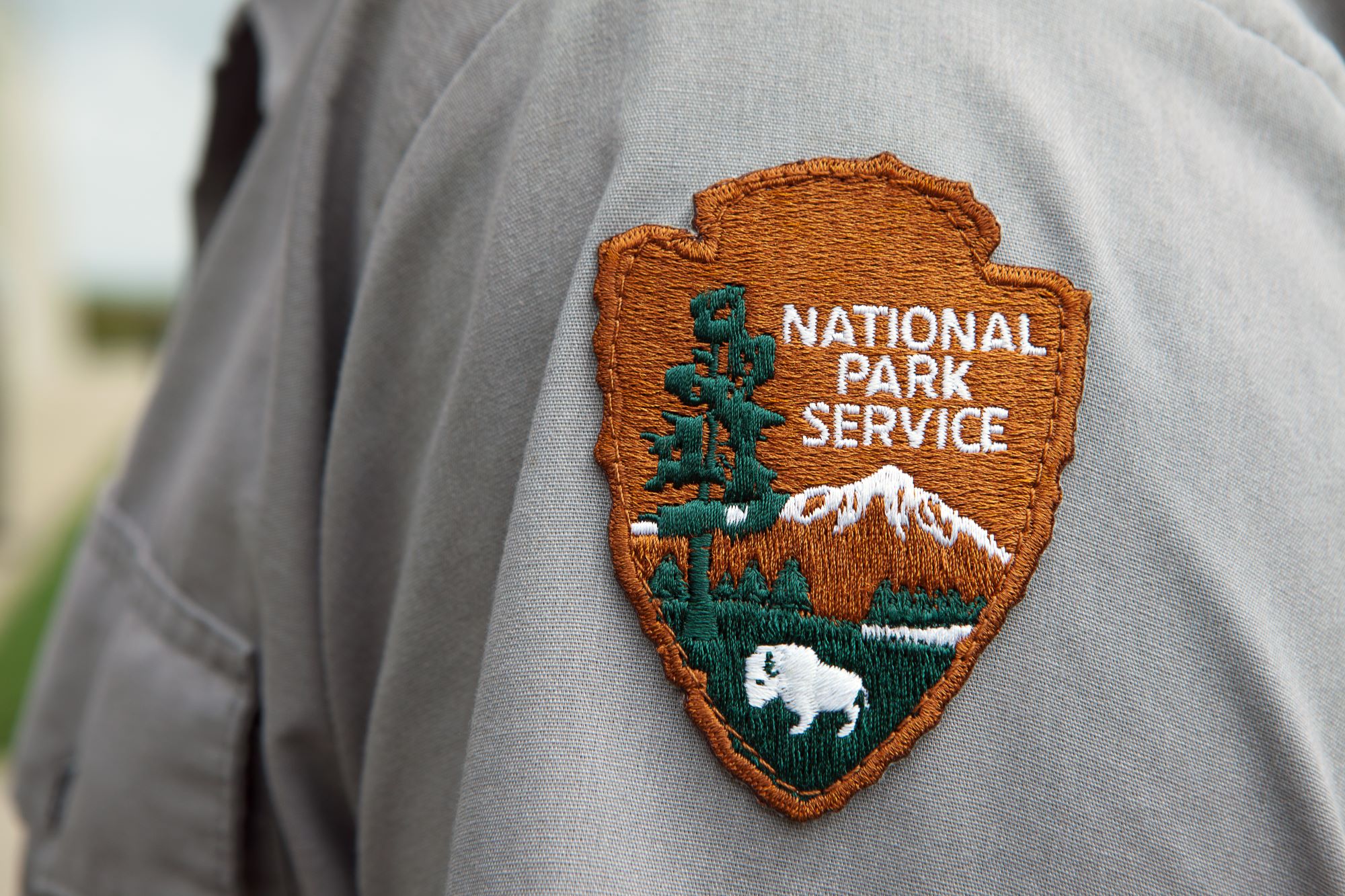
A Large Variety of National Parks
The United States has 63 national parks that span millions of acres across diverse climates. Most travelers want to see the Grand Canyon or Yellowstone during their stay in North America. Entrance fees for a single vehicle usually cost 35 dollars per park. You should buy the America the Beautiful National Parks and Federal Recreational Lands Pass if you plan to visit three or more sites. This pass costs 80 dollars and lasts for one full year from the month of purchase.
The pass covers the driver and all passengers in a personal vehicle during your visit. It covers up to four adults at sites that charge per person rather than per vehicle. You can buy this pass online or at park entrance stations when you arrive. Buying the pass saves money and speeds up the entry process at busy gates. It works at national forests and wildlife refuges too. This small card simplifies your travel budget and lets you explore many wild places for one flat fee.
Booking Your Stay Early
Popular parks like Yosemite and Glacier fill up very quickly every summer season. You must book your lodging or campsite six to twelve months before your arrival date. Many travelers arrive at the gates and find that every room within 50 miles (80 kilometers) of the park is already full. This forces people to drive long distances late at night to find a hotel. You should create an account on the official booking websites as soon as you know your travel dates.
Campsites inside the parks are harder to get than hotel rooms in the lodges. Most sites go on sale exactly six months in advance at 10 a.m. Eastern Time. Do you need a backup plan for your stay? Yes, you should look for private campgrounds or hotels in nearby gateway towns if the park sites are full. Staying outside the park adds 20 or 30 miles (32 or 48 kilometers) to your daily commute. Thousands of people try to book these spots at once, and the availability vanishes in seconds.
Understanding Timed Entry Systems
Wait times at park entrances used to last for several hours during the peak summer season. Several parks now use timed entry systems to manage the large crowds of visitors. You need a reservation to enter Arches National Park between April and October of each year. Rocky Mountain National Park and Glacier National Park require these permits for specific roads or sections. You must visit the Recreation.gov website to secure your entry slot weeks or months before you arrive.
How do you avoid these long lines? You should arrive at the gate before 7 a.m. or after 4 p.m. to beat the rush. Checking the specific rules for each park on your itinerary is the best way to have a smooth trip. Some parks release a small number of tickets one day before the entry date. This helps people who did not plan months in advance for their vacation. You still need to pay the park entrance fee or show your annual pass when you use a timed entry permit.
The Scale of the American West
The scale of the American West surprises many international visitors when they first arrive. A park like Death Valley covers over 5,000 square miles (12,950 square kilometers). You will spend four or five hours driving from one side of a park to the other side. Gas stations are rare inside many of these protected areas and remote regions. You should fill your fuel tank before you leave the main highway and enter the park boundaries to avoid running out of gas.
High altitudes and desert heat change how you move through the parks on foot. A trail that is 5 miles (8 kilometers) long will take twice as long as a flat walk in a city. You should carry one gallon (3.8 liters) of water for every person each day in hot climates. Many parks have signs that warn you about the dangers of heat stroke and dehydration. Planning for these environmental factors keeps you safe as you explore the vast wilderness areas in the United States.
Watching Wildlife Safely
Watching wildlife is a main highlight for many people visiting places like Yellowstone or the Tetons. You must stay at least 100 yards (91 meters) away from bears and wolves at all times. For other animals like elk or bison, you should keep a distance of 25 yards (23 meters). These animals look calm but they are wild and can charge at humans very fast. Using binoculars or a long camera lens helps you see the animals without putting yourself in danger or disturbing them.
Food storage is another strict rule in parks with bear populations like Sequoia or Yosemite. You must use bear-proof lockers or keep all food hidden inside a hard-sided vehicle. Smells from trash or toiletries attract bears to campsites and parking lots. Parks often fine visitors who leave food unattended on picnic tables or in open tents. Keeping a clean camp protects the bears. Bears that get used to human food often become aggressive, and the park must kill them.
Packing for Changing Weather
Packing the right gear is another part of the planning process for a national park trip. Weather in the mountains can change from sunny to snowing in just a few hours. You should bring layers of clothing including a waterproof jacket and sturdy hiking boots. Many trails have loose rocks or steep inclines that require good traction. Carrying a physical map is smart. Cell phone service is often non-existent in deep canyons or remote forests.
You should check the park website for alerts about road closures or construction projects before you start your drive. Some roads are only open for a few months of the year due to heavy snow. For example, the Going-to-the-Sun Road in Glacier National Park stays closed until late June. Knowing these details prevents you from driving long distances to a closed gate. Preparation helps you spend your time looking at beautiful views instead of dealing with travel problems during your stay.
Choosing Your Route
Most visitors spend a few days in each park to see the main sights and hike a few trails. You should pick two or three parks that are close together to minimize your driving time. A popular route includes Zion, Bryce Canyon, and the Grand Canyon in the southwestern part of the country. This loop covers about 500 miles (804 kilometers) of driving between the parks. Staying longer in one area allows you to see more than just the roadside overlooks and parking lots.
What should you do if a trail is too crowded? You can look for less famous paths nearby or visit a different section of the park. National parks offer more than just hiking for visitors of all ages. You can join ranger-led programs to learn about the history and geology of the land. Many parks offer boat tours, horseback riding, or guided bus tours. These activities provide a different way to experience the natural beauty of the United States. You should check the schedule at the visitor center as soon as you enter the park.
Final Tips for Your Trip
Many parks have started using shuttle buses to reduce traffic on narrow roads. You must park your car in a designated lot and ride the bus to popular trailheads. This system helps protect the environment and makes it easier for everyone to see the sights. You should check the shuttle schedule before you leave your hotel in the morning. Using the shuttle is often the only way to reach certain parts of the park during the summer.
Visiting the national parks is a great way to see the natural beauty of the United States. You will see deep canyons, tall mountains, and giant trees that are thousands of years old. Careful planning makes your trip more enjoyable and prevents unnecessary stress at the entrance gates. You should start your research early and book your reservations as soon as possible. These wild places offer a unique experience that you will remember for the rest of your life.