
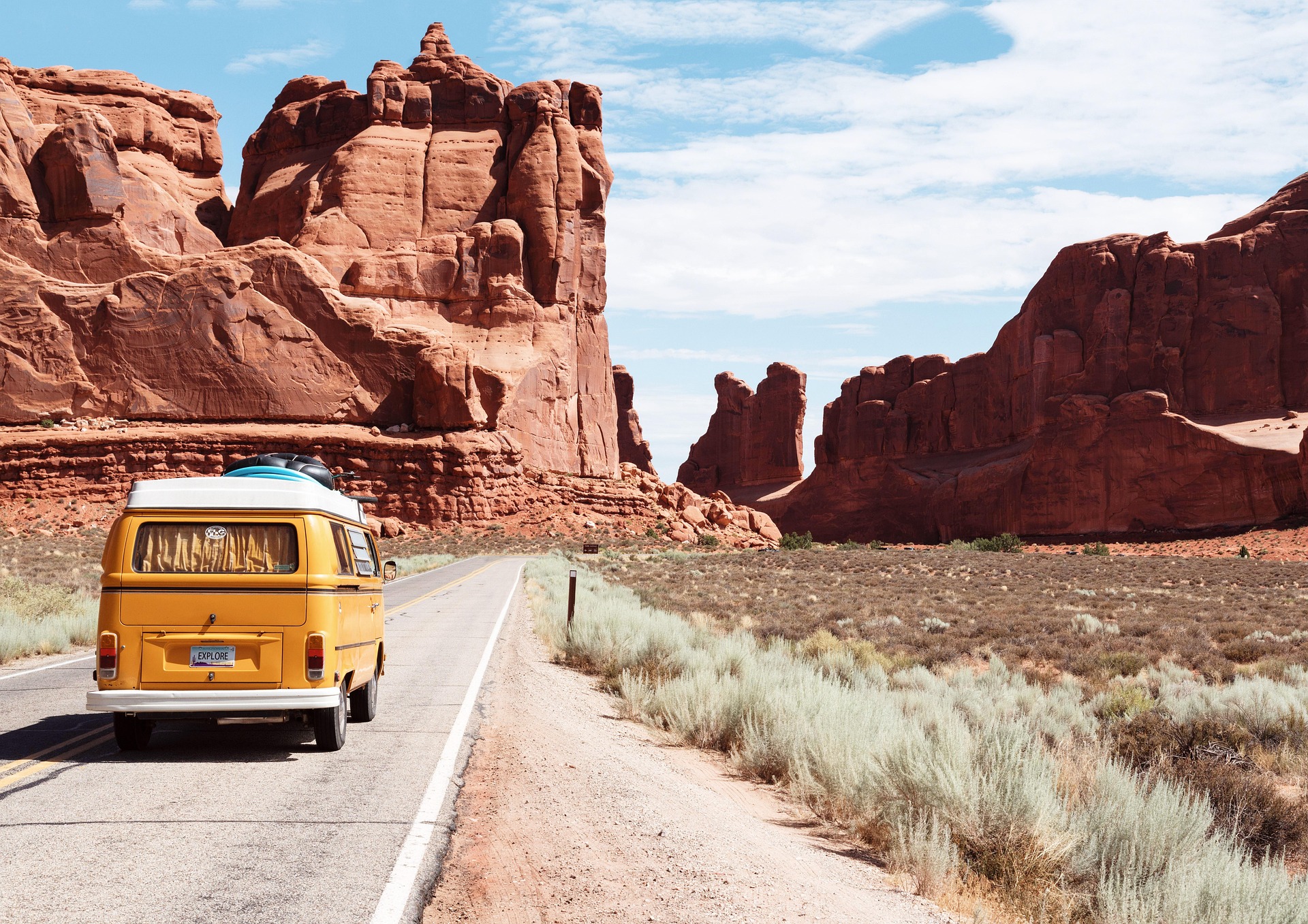
The Necessity of a Car in America
The United States covers about 3.8 million square miles (9.8 million square kilometers) of land across North America. This vast size means that public transportation rarely reaches beyond the centers of large cities. You can use subways in New York City or Chicago, but you will need a car for almost everywhere else. Most towns and national parks have no train service at all. You will find that roads connect every corner of the country. A personal vehicle gives you the freedom to explore remote areas. You can stop whenever you want to take a photo or grab a meal. Planning a trip requires a solid understanding of how to drive on these vast roads.
Public transit works in a few dense urban areas. Most of the country requires a car for simple tasks like buying groceries or visiting a park. You will find that many hotels sit on the edge of towns near major roads. A car lets you reach these places without waiting for a taxi or a bus. Many famous sights like the Grand Canyon or Mount Rushmore are far from any city. You must drive for several hours to reach them from the nearest airport. Most rural destinations sit 50 miles (80 kilometers) or more from the nearest train station. Having your own wheels makes the trip much easier and more fun.
Rules of the Road and Right Turn on Red
American driving rules differ from those in many European or Asian countries. One unique rule allows drivers to turn right at a red light. You must come to a complete stop first and check for oncoming traffic. You can then proceed if the way is clear and no signs prohibit the turn. Some busy intersections in cities like Washington D.C. have signs that say “No Turn on Red.” You should look for these signs before you move your car. This rule helps keep traffic moving even at a red light. It saves time and fuel for millions of drivers every day. Many visitors find this rule strange but it is standard across the country.
Four-way stops are another common feature on American roads. These intersections have stop signs at every corner for all directions of traffic. The rule relies on the order of arrival. The first car to reach the intersection and stop has the right of way. If two cars arrive at the same time, the driver on the right goes first. You must use your turn signals to tell others where you intend to go. Pedestrians have the right of way at marked crosswalks. You should stay alert for people crossing the street even if you have a green light. These rules keep drivers safe at quiet intersections in small towns.
Navigating Self-Service Gas Stations
Most gas stations in the United States operate as self-service facilities. You will see rows of pumps where you must pump your own fuel. You can pay with a credit card directly at the pump. The machine asks for a five-digit ZIP code for security. International travelers can use a generic code like 90210 or visit the cashier inside the building. You tell the cashier your pump number and the amount of money you want to spend. They then activate the pump for you. Fuel is sold by the gallon (3.78 liters) rather than the liter. This system is fast and common across all fifty states.
Is it difficult to find gas in rural areas? You will usually find a station every 20 or 30 miles (32 or 48 kilometers) on major routes. You must choose the correct type of fuel for your rental car. Most cars use unleaded gasoline with an octane rating of 87. You will see three buttons for different grades like 87, 89, and 93. Diesel fuel pumps have green handles to distinguish them from gasoline. Do not put diesel into a standard car or you will damage the engine. Many stations have small shops too. You can find clean restrooms and air machines for your tires at these locations.
Understanding Rental Car Insurance
Rental car companies will offer you several types of insurance at the time of rental. Loss Damage Waiver covers the cost of repairs in the event of an accident. Supplemental Liability Insurance protects you if you cause damage to other people or their property. These options can add 20 or 30 dollars to your daily rental price. You should check if your home insurance or credit card provides coverage for international rentals. Many cards offer this benefit, so you can save money by declining the rental company’s offer. You must bring a physical copy of your insurance proof if you choose this path.
You should inspect the car for any dents or scratches before you leave the lot. Take photos or a video of the entire vehicle with your phone. This evidence protects you from being charged for damage that you did not cause. Look at the tires and make sure they have enough air. Check the fuel level and make sure it matches the paperwork. Most companies require you to return the car with a full tank of gas. Returning the car empty results in high charges for every gallon (3.78 liters) of missing fuel. This simple check takes ten minutes and prevents many headaches later.
Interstates versus Scenic Blue Highways
The Interstate Highway System consists of high-speed roads that connect major cities across the country. These roads have at least two lanes in each direction and no stoplights or intersections. Even-numbered Interstates like I-10 or I-80 run east and west. Odd-numbered roads like I-5 or I-95 run north and south along the coasts. You can drive 70 miles (113 kilometers) per hour on many of these highways. They are the fastest way to travel across long distances between different states. You will see blue signs for food, gas, and hotels at most exits along the route.
How do you know which road to choose? Use the Interstate for speed and the blue highways for sightseeing. Blue highways represent the older, smaller roads that pass through small towns and scenic areas. These roads are often marked in blue on older paper maps. You will see local landmarks and unique diners that the main Interstates bypass. Route 66 is the most famous example of a historic road that people still travel today. You will drive slower on these routes, but you will see much more of the local culture. Speed limits often drop to 25 miles (40 kilometers) per hour upon entering a town.
Speed Limits and Police Interactions
Speed limits vary by state and by the type of road you are on. You will see white rectangular signs with black numbers posted every few miles (kilometers). In residential areas, the limit is usually 25 miles (40 kilometers) per hour. On rural Interstates, the limit can reach 75 or 80 miles (121 or 129 kilometers) per hour. Police officers use radar to check your speed from their patrol cars on the side of the road. Drivers see flashing red and blue lights behind them and must pull over to the right side of the road immediately. Stay in your car and keep your hands on the steering wheel so the officer can see them.
Do you need an international permit to drive? Most states allow you to use your home license, but a permit helps with translation. You must carry your driver’s license and rental agreement at all times. Seatbelts are mandatory for everyone in the car in almost every state. Children must sit in age-appropriate car seats or booster seats. Fines for traffic violations can be expensive and may cost hundreds of dollars. Driving under the influence of alcohol is a serious crime that leads to immediate arrest. You should always designate a sober driver if you plan to visit a bar during your road trip.
Parking Rules and City Challenges
Parking in American cities can be difficult and expensive. You must read the signs on the street carefully to avoid a ticket or a tow. Some curbs are painted colors to indicate different rules. A red curb means no parking at any time. A yellow curb means the spot is for commercial loading only. A green curb means you can park for a limited time, such as 15 or 30 minutes. You will find parking meters that accept coins or credit cards. Many cities now use mobile apps to manage parking payments on your phone. These apps often send a reminder when your time is low.
Large parking garages provide a safer choice in downtown areas. You will pay by the hour or a flat daily rate for the spot. These garages sit near major attractions like museums or stadiums. You should never leave valuables in plain sight inside your car. Thieves break a window to steal a bag or electronic device in just a few seconds. Put your luggage and shopping bags in the trunk before you arrive at your destination. This habit keeps your belongings safe and you can then explore the city on foot with peace of mind. You can walk a few hundred feet (91 meters) to your destination.
Navigation Tools and Toll Roads
Are there tolls on these roads? Many states use toll roads to pay for maintenance, and you can pay these with an electronic pass. Some rental cars come with a transponder like E-ZPass or SunPass. This device lets you drive through toll booths without stopping. The rental company then bills your credit card for the tolls later. Drivers without a transponder pay cash or use a “pay by plate” lane. These lanes take a photo of your license plate and send a bill to the car owner. You should ask about toll options at the time of your rental to avoid extra fees.
Navigation apps like Google Maps or Waze are useful for any American road trip. They provide real-time traffic updates and suggest faster routes. You can download maps for offline use for trips to remote national parks. Cell phone signals can disappear in deep canyons or high mountains. Distances in the West are much larger than in the East. A drive between two towns in Texas covers 100 miles (161 kilometers) of empty space. You should plan your fuel stops and breaks to avoid running out of gas. This helps you stay safe on the long stretches of road. Many travelers find that paper maps help in areas with no signal.