
Buy Travel Insurance Before You Arrive
Travel insurance provides a safety net for any trip to the United States. Medical costs in this country reach high levels very quickly. A simple doctor visit can cost $200, and a hospital stay often costs several thousand dollars per day. You should buy a policy that covers at least $500,000 in medical expenses. This protection helps you avoid debt when an accident happens during your vacation.
Most policies include coverage for medical evacuation back to your home country. This service is important if you suffer a serious injury far from a major city. An evacuation flight can cost $50,000 or more depending on the distance. Read the fine print of your policy before you depart. Make sure it covers the activities you plan to do, like hiking or skiing.
Keep a digital copy of your insurance card on your phone at all times. You will need a printed copy in your wallet or bag. Hospital staff will ask for this information as soon as you arrive. They need to know which company pays the bill. Having these details ready speeds up your care and reduces stress for everyone involved in the process.
Use Pharmacies for Minor Health Issues
Pharmacies in the United States sell much more than just medicine. You can find them on almost every busy street corner in large cities. They stock items like bandages, pain relievers, and cough drops. Common names include CVS, Walgreens, and Rite Aid. Many of these stores stay open 24 hours a day. This convenience makes them the first stop for minor health issues like headaches or small cuts.
You do not need a doctor to buy over-the-counter medications. These drugs sit on open shelves and have clear price tags. You can pick up ibuprofen for a fever or cream for a bug bite. If you feel confused, walk to the back of the store. A trained pharmacist stands behind a counter there to answer your questions about specific products and dosages.
What should you do if you lose your regular prescription? You must visit a local doctor first to get a new American prescription. Pharmacies cannot fill orders from foreign doctors. This rule applies to all visitors regardless of their home country. The process takes some time, so try to bring enough medicine for your entire stay. It saves you from visiting a clinic just for a refill.
Visit Urgent Care for Non-Life-Threatening Needs
Urgent care centers fill the gap between a pharmacy and a hospital. These clinics handle health problems that need attention but do not threaten your life. Examples include sprained ankles, deep cuts that need stitches, or a high fever. You can find these centers in most towns and cities across the country. They usually stay open late on weekdays and have weekend hours for travelers.
Walking into an urgent care center is faster than going to an emergency room. Most people wait less than an hour to see a medical professional. The cost stays much lower for visitors. You pay between $150 and $300 for a visit without insurance. This price includes the exam and basic tests. It is a smart choice for non-emergency situations, so it saves you money.
Look for signs that say Urgent Care or Walk-in Clinic near your hotel. These facilities often sit in shopping centers or near large grocery stores. You do not need an appointment to get help. Bring your passport and insurance information with you. The staff will take your details and ask about your symptoms. They provide quick care so you can return to your travel plans.
Reserve the Emergency Room for True Crises
The emergency room serves people with life-threatening conditions. Go here in the event of chest pain, difficulty breathing, or severe bleeding. These departments stay open every hour of every day. They treat the most sick people first, so you will wait a long time for minor issues. Use the emergency room only when you truly need immediate medical intervention to survive or prevent permanent harm.
Hospital bills from an emergency room visit reach high levels. A single visit can cost over $2,000 before the doctors even perform any tests. This cost covers the specialized equipment and expert staff available at all times. If you have insurance, the company will negotiate these rates for you. In the absence of insurance, you are responsible for the full amount. This fact explains why travel insurance is important for travelers.
How can you find the nearest hospital quickly? Most smartphones have a map app that lists hospitals based on your current location. Ask hotel staff for directions to the closest ER. If you are driving, look for blue signs with a large white H on the side of the road. These signs guide you directly to the medical facility from the highway.
Know How to Call for Emergency Services
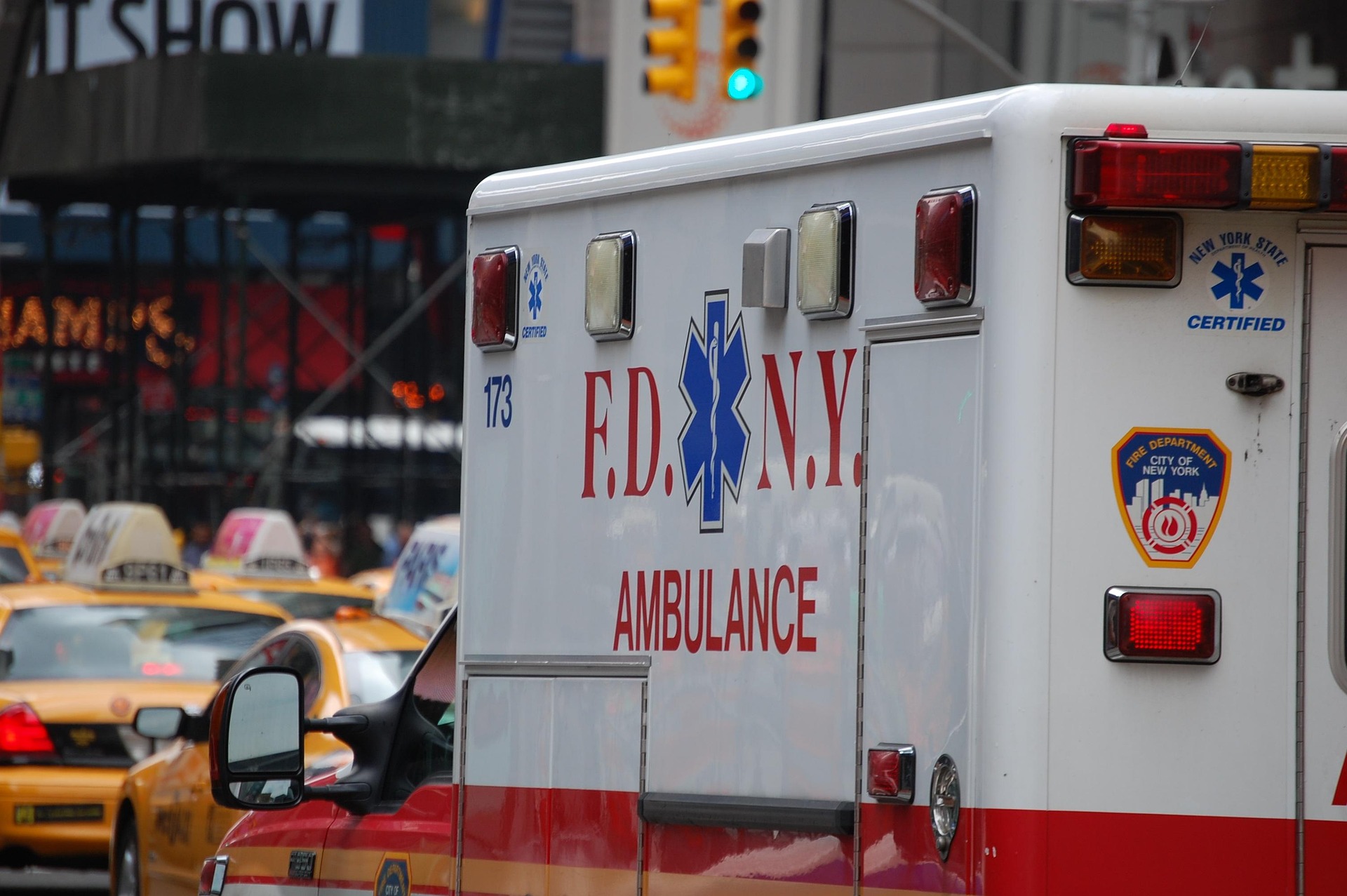
Dial 911 if you need an ambulance or police assistance immediately. This number works on every phone in the United States. You can even call it from a mobile phone that has no active service plan. Dispatchers answer the call and ask for your location and the nature of the problem. Stay calm and speak clearly so they can send the right help to your exact spot.
An ambulance ride is not a free service in America. The cost often ranges from $500 to $2,500 depending on the distance and the care provided. Paramedics start treating you as soon as they arrive at your location. They use advanced tools to keep you stable during the trip to the hospital. Your insurance policy should cover these transportation costs if the situation is a real emergency.
Give the dispatcher your address or nearby landmarks. When you are on a highway, look for the small green mile markers on the shoulder. A mile is about 1.61 kilometers. If you see a sign for mile 50 (80.47 kilometers), tell the operator that number. This detail helps them find you faster. Do not hang up until the operator tells you to do so. They need more information.
Manage and Track Your Medical Expenses
Ask for an itemized bill before you leave any medical facility. This document lists every charge for medicine, tests, and doctor time. You need this detailed record to file a claim with your insurance company later. Sometimes hospitals make mistakes on bills, and checking the list helps you catch them. It is your right to see exactly what you are paying for after receiving any care.
Many hospitals offer discounts if you pay the full amount in cash immediately. If you do not have insurance, ask the billing department about a self-pay rate. They often reduce the price by a large percentage for people without coverage. This conversation can save you hundreds of dollars on your final bill. Always be polite but firm when you ask about these financial options at the office.
Keep all your receipts from the pharmacy and the clinic. Even small costs for bandages or over-the-counter pills can add up. Some travel insurance plans allow you to claim these expenses back when you get home. Put all these papers in a dedicated folder in your suitcase. This organization makes it much easier to deal with the paperwork after your vacation ends and you return home.
Locate Help Using Your Phone and Local Staff
Technology makes finding medical help easier for modern travelers. Use search terms like doctor near me or 24-hour pharmacy on your phone. You can see ratings from other patients to help you choose a good place. Most clinics are within 5 miles (8.05 kilometers) of major tourist areas or city centers. Having a local SIM card with data helps you access this information quickly when you are out.
If you stay in a rural area, the nearest hospital is often 20 miles (32.19 kilometers) away. Plan your trips to national parks with this distance in mind. Hiking a trail that rises 1,000 feet (304.8 meters) increases your heart rate and physical stress. Tell someone your plans before you go hiking in remote spots. Bring a basic first aid kit for minor issues like small scrapes or blisters.
Most hotels have a list of local doctors they trust. Front desk staff can call a taxi for you or give you driving directions. They are familiar with the area and know which clinics have shorter wait times. Do not hesitate to ask them for help if you feel unwell. They want you to have a safe stay and can provide valuable local knowledge.